Museum Speelklok: the instruments that play themselves
Utrecht, Netherlands
Inside a medieval church in the centre of Utrecht, musical clocks, music boxes and painted street organs still play. An hour here is the rare museum where you listen as much as look.
- About an hour
- Paid entry; some reductions
- First: The street organs on the ground floor
Same room: Rietveld Schröder House · Museum Catharijneconvent
When the doors are free · Every label in one list
Best months Any month; rainy days best · Getting there Walk from Utrecht Centraal or the Dom · Bring Ears more than a camera
Most museums ask you to keep quiet. Museum Speelklok asks you to listen. Its collection is made of self-playing instruments: musical clocks, singing birds in cages, music boxes, mechanical pianos, fairground organs and the big painted street organs that still play in Dutch shopping streets. Many of them work, and the point of a visit is to hear them.
The museum fills the Buurkerk, a medieval church in the centre of Utrecht that has been one of the city's parish churches for centuries. It has been the museum's home since the 1980s. The building alone would be worth a look; with the instruments inside, it becomes one of the most enjoyable small museums in the Netherlands, and one of the few that children and adults like equally.
A church full of machines that sing
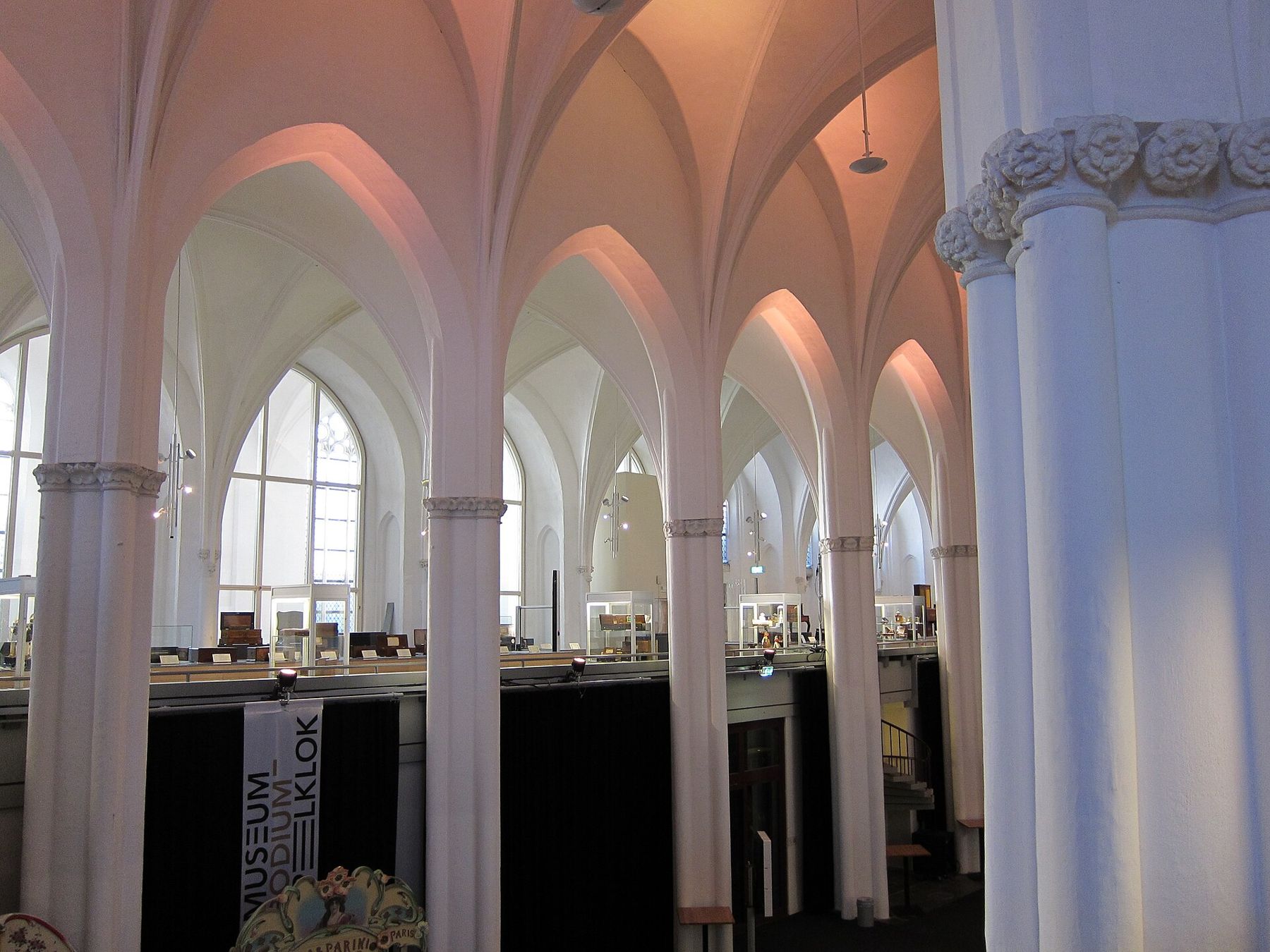
Walk in and look up first. The nave has been fitted with galleries and display floors, but the tall white columns and pointed vaults of the old church still rise above everything, and the light from the high windows falls on cases of clocks and music boxes on the upper level.
The layout is not strictly chronological, and it does not need to be. The main idea is simple: before recorded sound, people who wanted music without musicians built machines to make it. Pinned cylinders, punched paper rolls and folded cardboard books all did the same job, telling a mechanism which note to play and when. Once you see how one works, you see how they all work.
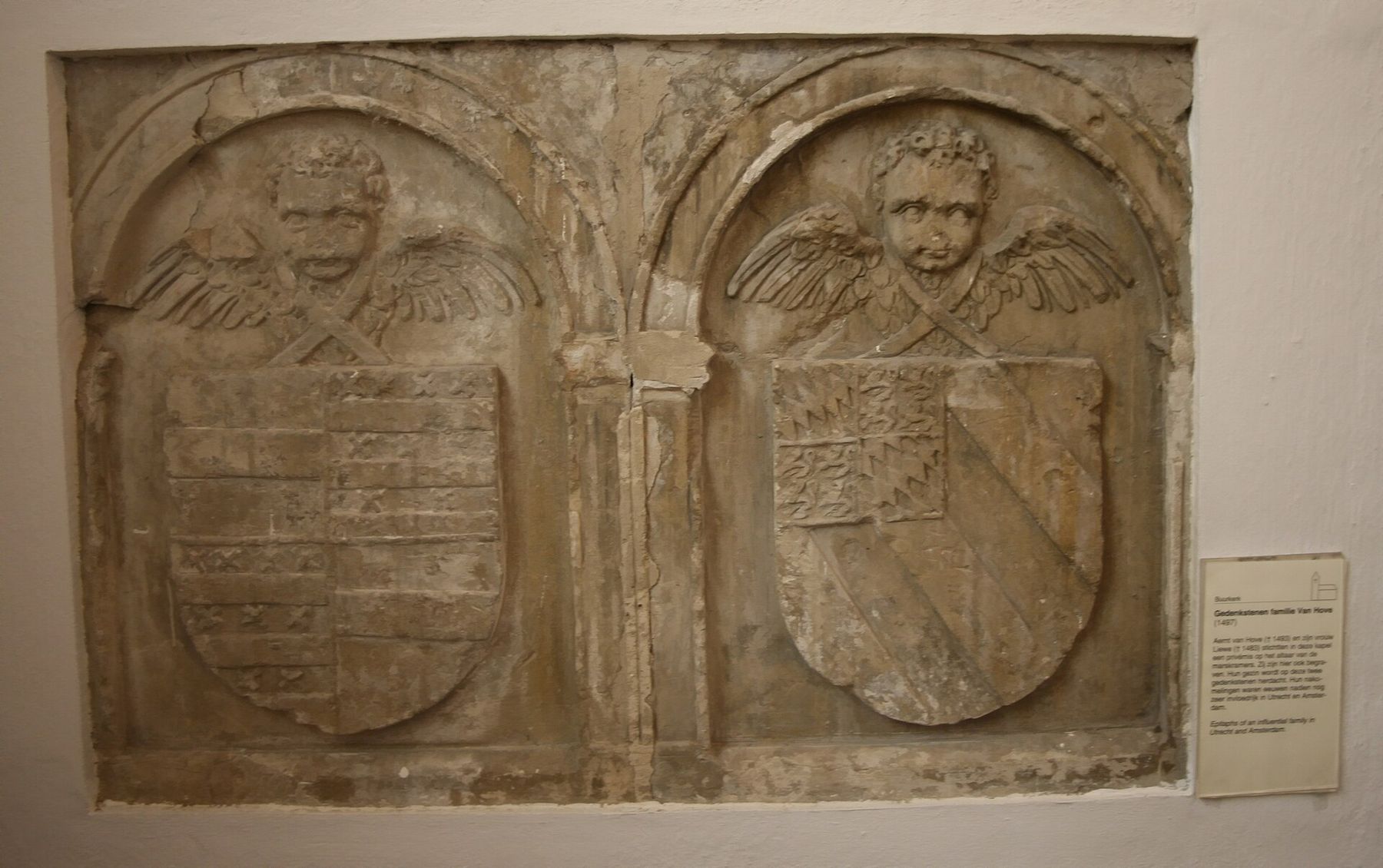
The church has its own history on show too. Look for the memorial stones and fragments from its medieval past, and for the reminders of Sister Bertken, a medieval anchoress who lived walled into a small cell against the church for most of her life and was buried here.
Wait for the demonstration
The single most important thing about Museum Speelklok is that the instruments are played for you. Guided demonstrations run through the day as part of a visit, and a guide winds, starts and explains a selection of machines as you move from one to the next. The times and the format change, so ask at the entrance when the next one starts and plan your hour around it.

A demonstration is the difference between a room of handsome boxes and a room of music. A small 18th-century clock plays a tune you did not expect from something so delicate; a music box fills the room with a sound much bigger than itself; a self-playing piano runs through a popular song as if an invisible pianist were at the keys. The guides know the instruments well and usually explain how each mechanism works, which makes the rest of the museum easier to understand.
A demonstration is the difference between a room of handsome boxes and a room of music.
No. 14 · Next roomRietveld Schröder HouseUtrecht, Netherlands · About an hourClocks, birds and painted organs
Upstairs, the cases hold the finer pieces: musical clocks in carved and gilded cases, snuff boxes with tiny singing birds that pop up from under the lid, and cabinets of music boxes in polished wood. Many of these were luxury objects, made to impress as much as to entertain, and they are worth looking at closely even when silent.
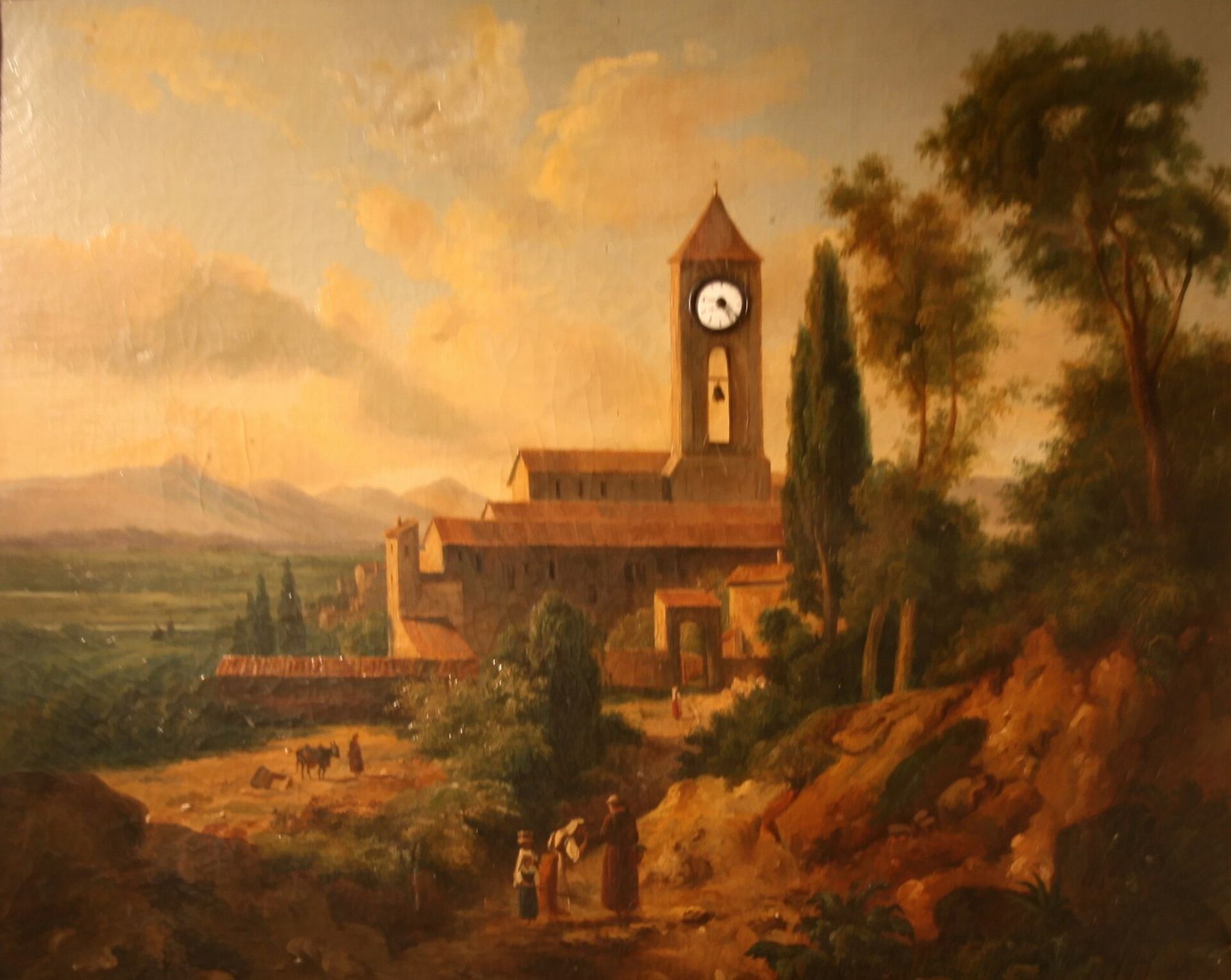
Look out for the picture clocks, paintings with a real clock built into a church tower or a town gate in the scene. Some also played music when the hour struck. They are a lovely piece of trickery and easy to miss on a quick walk round.
Downstairs, the scale changes. The Dutch street organs, painted, gilded and decorated with moving figures, stand in the nave like parade floats. These are the instruments the Netherlands is known for, wheeled through town centres and played by an organ grinder turning a handle. Hearing one indoors, inside a church, is loud and cheerful and slightly absurd, in the best way.
There are fairground and dance organs too, larger still, built to fill a hall or a fair with sound. If one is played while you are there, stay for it.
Take a minute to look at the books and rolls that feed these organs. Long strips of folded, punched card pass through the instrument, and every hole is a note. Somebody had to cut each one by hand to arrange a tune, and the best arrangers were craftsmen in their own right. Seeing a stack of these books beside an organ makes the music feel less like magic and more like patient work, which it was.
The collection also shows how these instruments travelled through society. The finest clocks and singing birds were made for courts and wealthy homes; the music boxes reached middle-class parlours; the street organs brought tunes to anyone on the pavement with a coin to drop in the grinder's tin. In one building you follow mechanical music from the palace to the street corner, and you hear the change as well as see it.
An hour, played in order
Plan around the next demonstration. A good shape for the hour:
- Five minutes in the nave, looking up at the church and getting your bearings.
- Thirty minutes on the guided demonstration, following the guide.
- Fifteen minutes on your own upstairs with the clocks, birds and music boxes.
- Ten minutes back with the street organs, and on the church's own history.
What you can leave: the long technical labels on how mechanisms are built, unless that is your interest, and the shop. If the demonstration has already started when you arrive, join it quietly rather than waiting for the next.
Entry is paid, with reductions for some visitors and museum passes usually accepted; check the current terms before you go. The museum is popular with families at weekends and in school holidays, so weekday mornings tend to be calmer.
Under the Dom Tower
The Buurkerk stands a few minutes' walk from the Dom Tower, the tallest church tower in the Netherlands. The tower stands apart from its cathedral because a storm in 1674 brought down the nave between them, and the open square left behind is still there. The surviving part of the cathedral, the Domkerk, can often be visited, and its cloister garden is a quiet place to sit.
From the museum you can walk to the Oudegracht, the old canal with its wharf cellars below street level, or follow the canals south. Utrecht is a city of small museums, and two of the best are close. Museum Catharijneconvent holds religious art in a former convent on the Nieuwegracht, a short walk away. A little further east, the Rietveld Schröder House shows a very different idea of what a building can be.
Utrecht Centraal station is about a fifteen-minute walk from the museum, through the old centre. If you are in the Netherlands for a day trip from Amsterdam, this makes an easy first stop.