Museo Sorolla: the painter's house and garden
Madrid, Spain
Joaquín Sorolla built this house in Chamberí to live, work and paint in, and laid out its garden himself. An hour here gives you his studio, his light and his sea.
- About an hour
- Some free hours; check before you go
- First: The big studio
Same room: Museo Cerralbo · Museo del Romanticismo
When the doors are free · Every label in one list
Best months April, May, October · Getting there Metro to Iglesia or Rubén Darío · Bring Patience on weekends, and an eye for light
Most painters' houses are museums because the painter happened to live there. The Museo Sorolla is different: Joaquín Sorolla designed much of this house around the way he worked, with a large studio at its heart and a garden he planned himself. He moved in with his family in 1911, at the height of his fame, and after his death in 1923 his widow, Clotilde García del Castillo, left the house and its contents to the Spanish state. It opened as a museum in 1932.
The result is a place that still feels lived in. You walk through the garden gate on a busy Madrid avenue in the Chamberí district, and the noise drops away among tiles, water and shade. Then you go inside, and the light that Sorolla built the house to catch is still doing its work on his canvases.
A garden laid out by the painter
Start outside, even if the queue tempts you straight in. Sorolla was from Valencia and loved the gardens of Andalusia, and he took ideas from the Alhambra in Granada and the Alcázar in Seville when he planned this one. It is small and divided into separate spaces, each with its own character: a pool here, a fountain there, tiled benches and steps, potted plants and climbing roses.
He painted the garden many times, often with his family in it, and you will see those pictures inside. Walking the garden first makes them easier to read: you recognise the corners and the light. Ten minutes is enough, unless it is a warm spring morning and you would rather sit.
The garden is also a lesson in how much can fit into a city plot. There is no lawn and no grand view, just a series of rooms open to the sky, each closed off enough to feel private. It works because of the water, which you hear before you see.
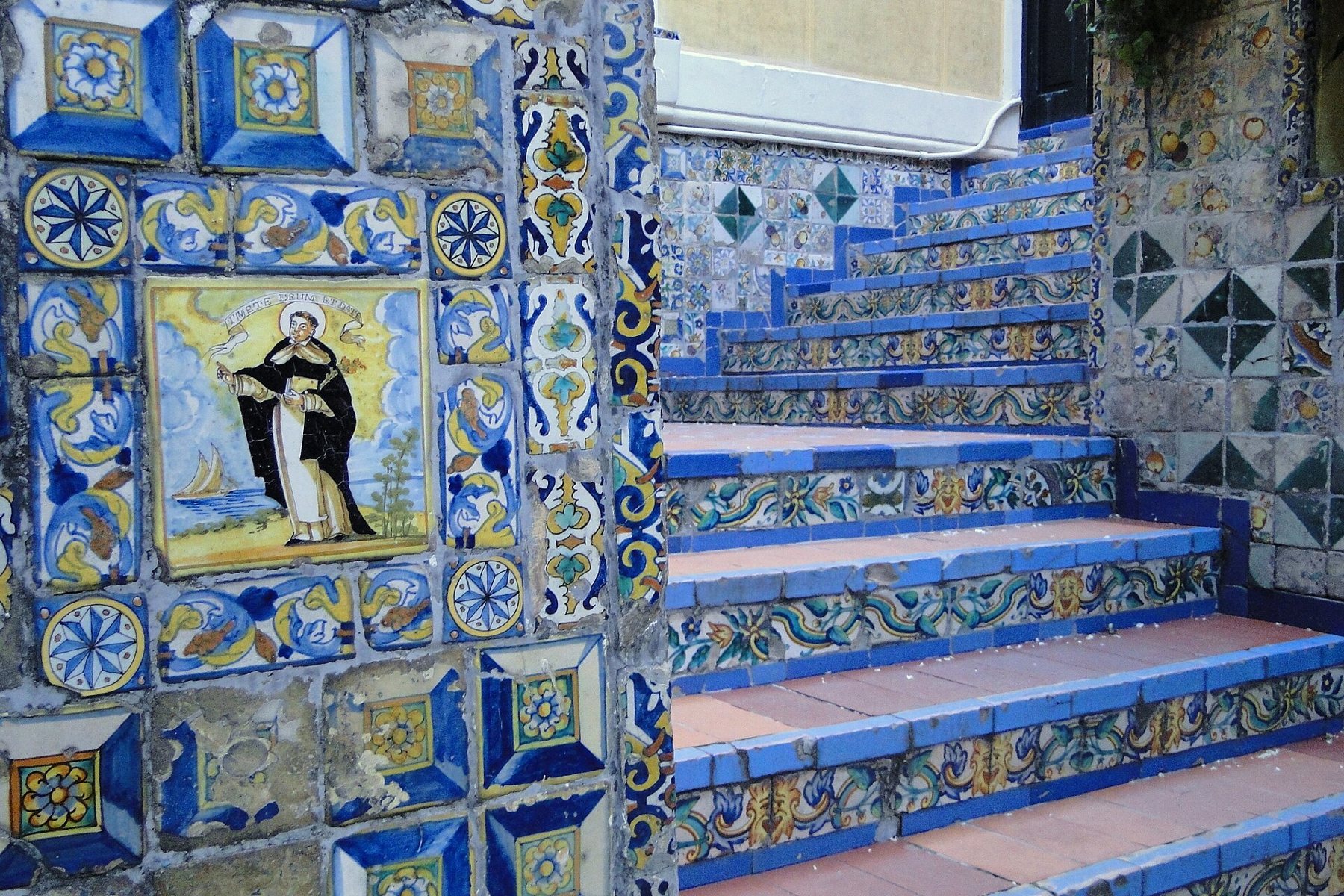
Look down as well as around. The tiles on the steps, benches and walls come in many patterns and colours, blue and yellow and green, some with painted saints set among the geometric designs. They are part of the same love of Spanish craft that fills the house, and they explain why the garden feels so much warmer than its size. Then look up: the house rises behind the planting, and you can pick out the big windows of the studio before you ever step inside.

The studio at the heart of the house
Inside, the ground floor gives way to the rooms Sorolla used for work, and the largest of them is the one not to miss. It is a tall room with good light and walls hung densely with his paintings, the way a working studio would have been, with easels, furniture and some of his belongings still in place.

Stand in the middle for a moment before you look at any single picture. The room explains the paintings: big canvases, quick confident brushwork, a painter who wanted space to step back and see. Sorolla worked fast and often outdoors, and the studio was where he brought that energy back and gave it a home.
The smaller rooms beside it show other sides of his work: portraits, sketches, small oil studies done in minutes. The studies are often the best things here. They show how he caught a wave or a patch of sun with a handful of strokes, and they are easy to pass in a hurry.
No. 11 · Next roomMuseo CerralboMadrid, Spain · About an hourSea, sun and the Valencia beach
Sorolla is best known for his beach scenes: children running in the shallows, fishermen with their boats, women in white walking along the sand with parasols and the wind in their dresses. Several are usually on show here, though the hang changes and some works travel for exhibitions, so do not set your heart on one picture.
The room explains the paintings: big canvases, quick confident brushwork, a painter who wanted space to step back and see.
What strikes most visitors is the white. Sorolla painted sunlight on white cloth and wet skin as few painters have, using colours you only notice up close: violets, yellows and blues inside what looks from a distance like pure white. Stand near a beach painting, then walk back across the room. The trick happens in those few steps.
There are also family portraits, many of Clotilde and their three children, and they give the house its warmth. You come away with a sense of a painter who was happy, busy and very good at what he did, until a stroke in 1920 ended his working life.
Upstairs, and what to leave
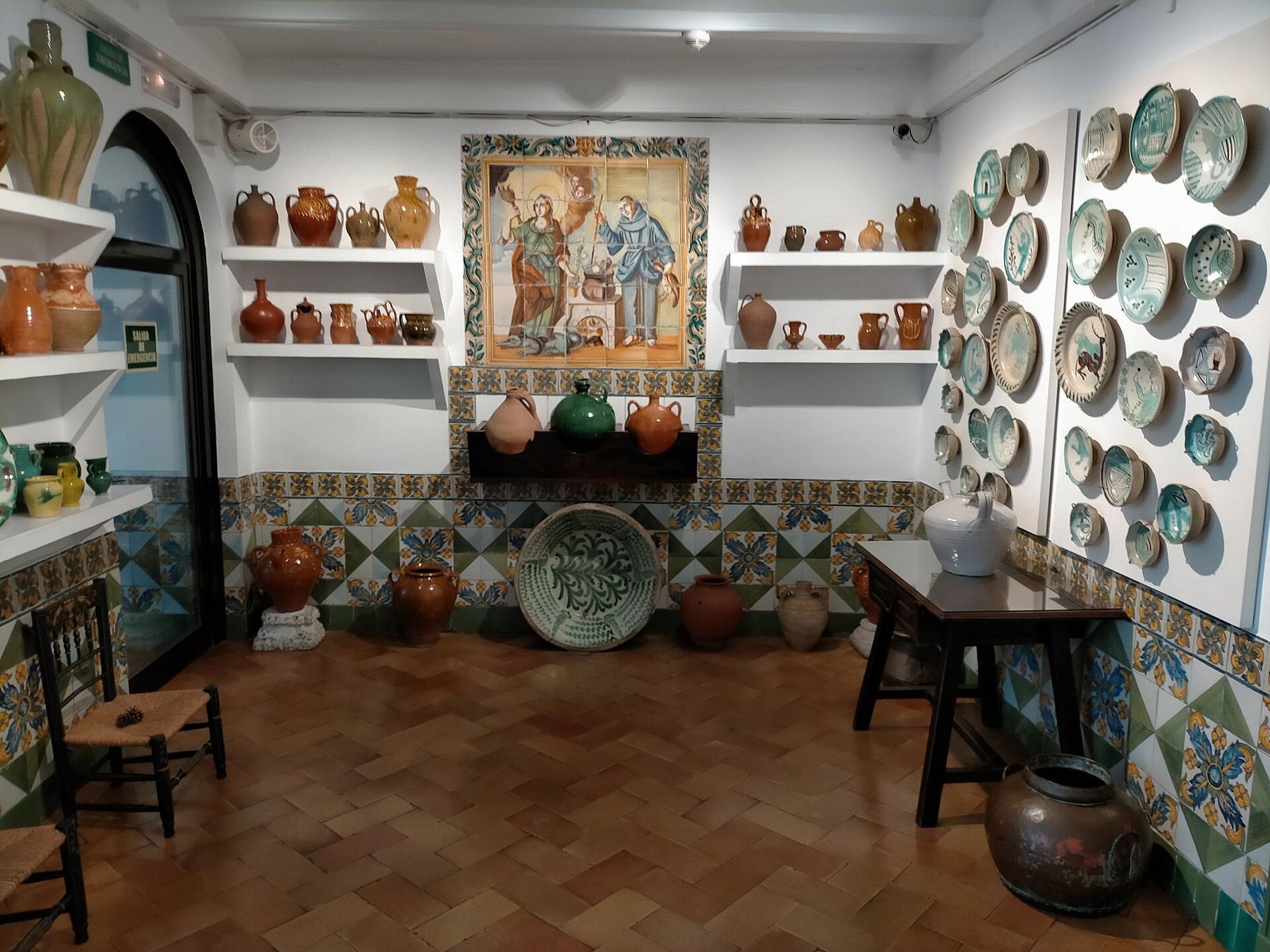
The upper floor, once the family's private rooms, is now used for galleries and temporary displays. It is worth a look if the current exhibition interests you, and worth skipping if it does not. The same goes for the collection of objects Sorolla gathered: ceramics, tiles, jewellery and furniture, mostly Spanish. A room of jugs, plates and tiled panels shows the taste that also shaped the garden.
For an hour, a good split is:
- Ten minutes in the garden.
- Twenty-five minutes in the studio and the rooms around it.
- Fifteen minutes with the beach paintings and portraits.
- Ten minutes upstairs or back in the garden, whichever you prefer.
What you can leave: the shop area, the longer wall texts in the upstairs rooms, and any temporary show you are not drawn to.
If you like the idea of an artist's home kept close to how it was, the Musée de la Vie romantique in Paris and the sculptor's house and garden near the Luxembourg Gardens make good companions.
Keeping the hour unhurried
The Museo Sorolla is small and popular, so it can feel crowded at busy times, especially on weekends and during the hours when entry is free. Like other state museums in Spain, it has offered free entry at certain times of the week; these arrangements change, so check before you go rather than planning around them. Opening days and hours change too, and the museum usually closes one day a week.
The best time is a weekday morning soon after opening, when the garden is quiet and the light comes in low. In late spring the roses and climbing plants are at their best; in high summer Madrid is hot, and the shade of the garden is a reason in itself to come early.
The house sits on a wide avenue in Chamberí, a residential district north of the centre, a short walk from the Iglesia and Rubén Darío metro stations. Afterwards you can walk south into the old centre, or continue to the other house museums of Madrid. The Museo del Romanticismo in Malasaña makes a good pairing, a different kind of house from an earlier century.