Musée Nissim de Camondo: a house kept as it was
Paris, France
A mansion beside Parc Monceau, furnished with eighteenth-century French art and left exactly as its owner arranged it, in memory of a son killed in 1917. A beautiful house with a grave story.
- About an hour
- Paid entry; some reductions
- First: The Grand Bureau and its carpets
Same room: Musée de la Vie romantique · Musée Zadkine
When the doors are free · Every label in one list
Best months Spring and early autumn · Getting there Short walk from Monceau Métro station · Bring Time afterwards for Parc Monceau
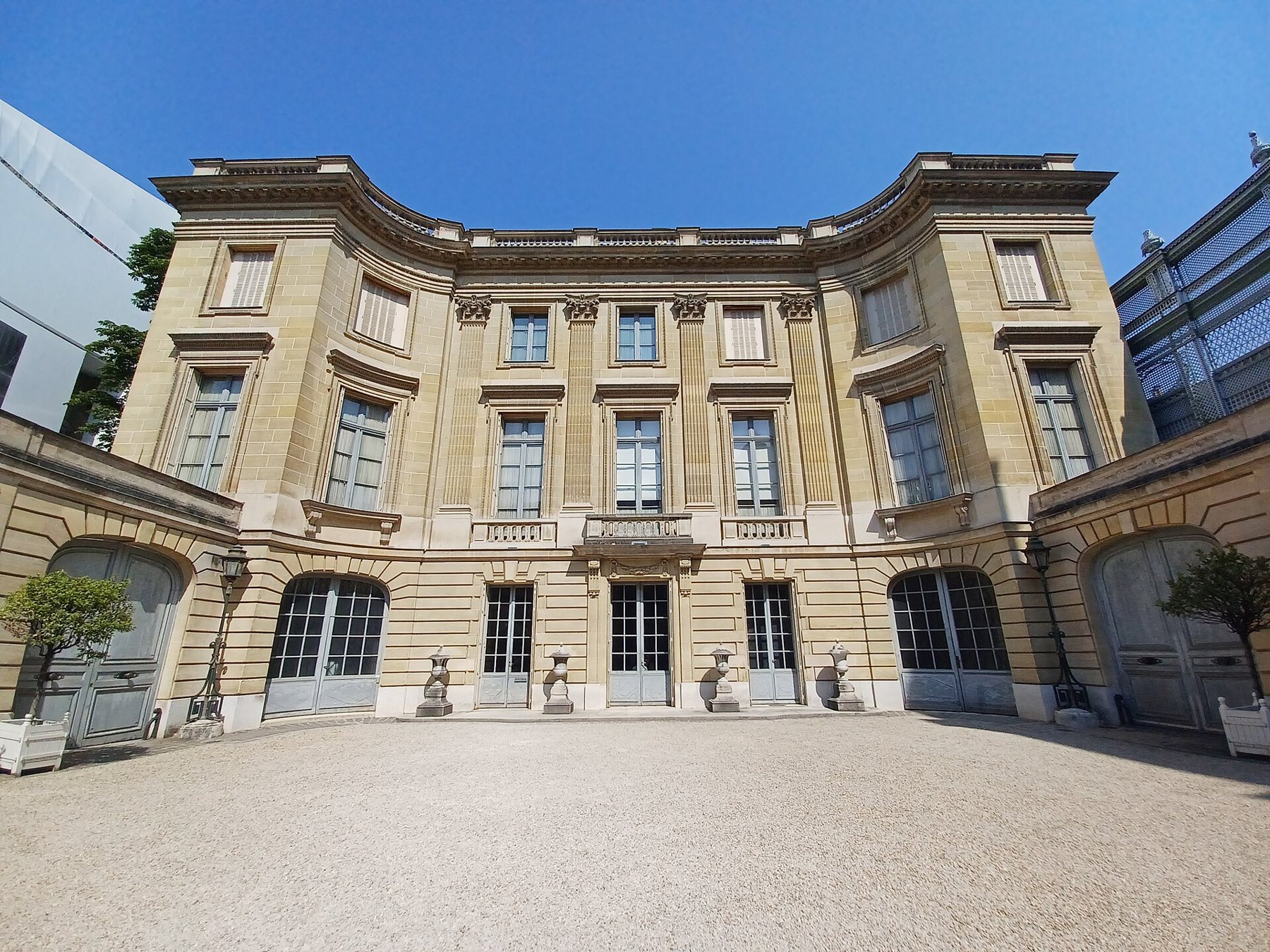
Count Moïse de Camondo was a banker from a Sephardic Jewish family that had moved from Constantinople to Paris in the nineteenth century. Between 1911 and 1914 he had a new house built on the rue de Monceau, on the site of his parents' home, by the architect René Sergent, who took the Petit Trianon at Versailles as his model. Camondo filled it with the finest French furniture, carpets, silver and porcelain of the eighteenth century, and arranged every room with great care.
He meant the house to pass to his son, Nissim. In 1917 Nissim, a pilot in the French air force, was killed in aerial combat during the First World War. Camondo withdrew from public life, and when he died in 1935 he left the house and everything in it to Les Arts Décoratifs, as a museum named after his son. It opened the following year, and the rooms are still set as he left them.
Rue de Monceau and the courtyard front
From the street you see little more than a gateway. Inside, the courtyard opens up, with the main house curved round it in pale stone and service wings on either side. The façade is calm and symmetrical, a twentieth-century house dressed in the manners of the 1770s. Look at it from the middle of the courtyard before you go in: it is the clearest statement of what Camondo wanted, a home that could stand among the things he collected.
The house was built with every modern comfort of its day, including electric light, lifts and central heating, all hidden behind the period panelling. That contrast between old surfaces and new machinery is part of the visit. Look for the service lift, the bathrooms and the telephone, all of them up to date for a house finished on the eve of the First World War.
The rue de Monceau and the streets around the park were lined with the mansions of wealthy families in the decades before 1914, many of them bankers and industrialists. Several of the Camondo family's relatives lived close by. The house is one of the few in the quarter whose interiors survive intact and open to the public.
The main floor, room by room
The principal rooms are on the first floor, overlooking Parc Monceau at the back. Start in the Grand Bureau, a study panelled in carved oak and hung with Aubusson pieces showing scenes from La Fontaine's fables. The furniture here and throughout the house includes work by the leading cabinetmakers of the eighteenth century, chosen for quality and condition rather than for fame.
The Grand Salon and the Salon des Huet follow. The second is lined with painted panels by Jean-Baptiste Huet of pastoral scenes, and it is one of the most complete rooms of its kind in Paris. The dining room is laid with silver, and next to it is the porcelain cabinet, which holds the Sèvres service known as the Buffon service, decorated with birds copied from a natural history of the time.
Every room was arranged by one man, for one son, and then left alone.
Every room was arranged by one man, for one son, and then left alone. That is what makes the house different from a museum of decorative art, where the best pieces are separated and shown under glass. Here a commode, a clock, a carpet and a view of the park all belong together, as they did in 1935. Camondo's bequest required that the arrangement be kept, so nothing has been rehung to suit a curator's theory. Some pieces are famous, others are simply very good, and the pleasure lies in how the rooms work as a whole: the light from the park, the colours of the carpets, the scale of the chairs against the panelling.
The family rooms and the kitchens below
On the floor above are the private rooms: Moïse's bedroom, a library, and Nissim's room, kept with his photographs and papers. The tone changes here, from display to memory, and the house becomes more personal and more sad. Give these rooms some quiet time. The bathrooms on this floor, tiled and fitted in the latest style of the 1910s, are a reminder that this was a home built for daily life, not a period set.
No. 03 · Next roomThe Wallace CollectionLondon, England · One hour, chosen carefullyThen go down to the kitchens on the lower ground floor, which were restored and opened to visitors. The great range, the copper pans hanging in rows, the rotisserie, the scullery and the servants' dining room show the machinery of a large Parisian household before the First World War. Many visitors find the kitchens the most vivid part of the visit, partly because they are so ordinary beside the rooms upstairs.
The story that follows the house
The museum tells the rest of the family's history plainly, and it should be told carefully here too. Moïse's daughter, Béatrice, her husband Léon Reinach and their two children, Fanny and Bertrand, were deported from France during the German occupation and murdered at Auschwitz. With them the Camondo family came to an end. The house that was meant to keep a family's name became a memorial to all of them.
Panels and documents on the family are shown in the house. Take time with this part of the visit. It is not an extra, and it changes how you see everything else.
An hour, and then the park
- Five minutes in the courtyard.
- Twenty-five minutes on the main floor, from the Grand Bureau to the porcelain cabinet.
- Ten minutes in the private rooms upstairs.
- Fifteen minutes in the kitchens and service rooms.
- Five minutes with the family history on the way out.
What you can leave: an audio guide is usually offered and is good, but it can stretch the visit well past an hour, so choose a few rooms to hear it in. Entry is paid, with reductions for some visitors, and arrangements change, so check before you go.
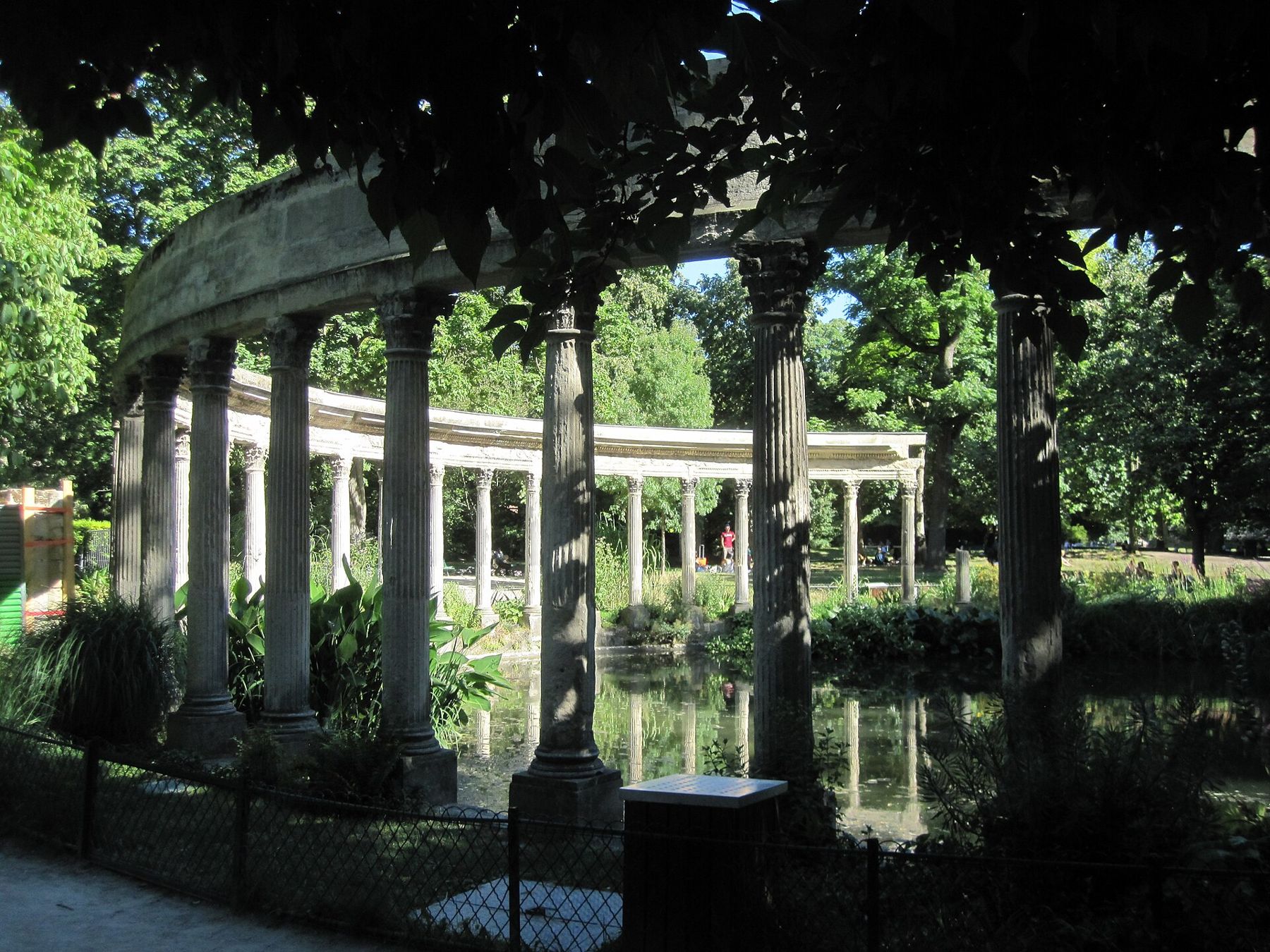
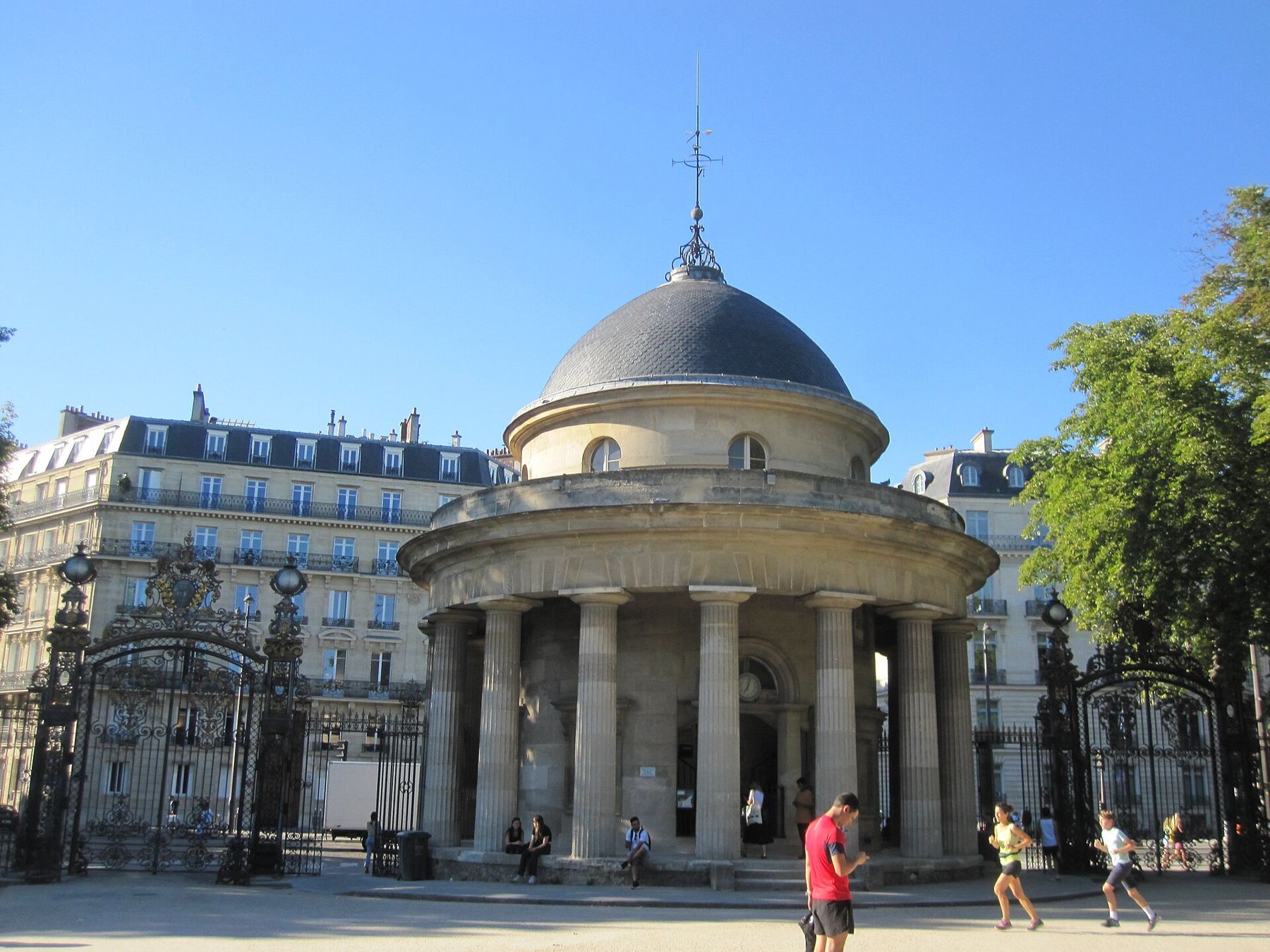
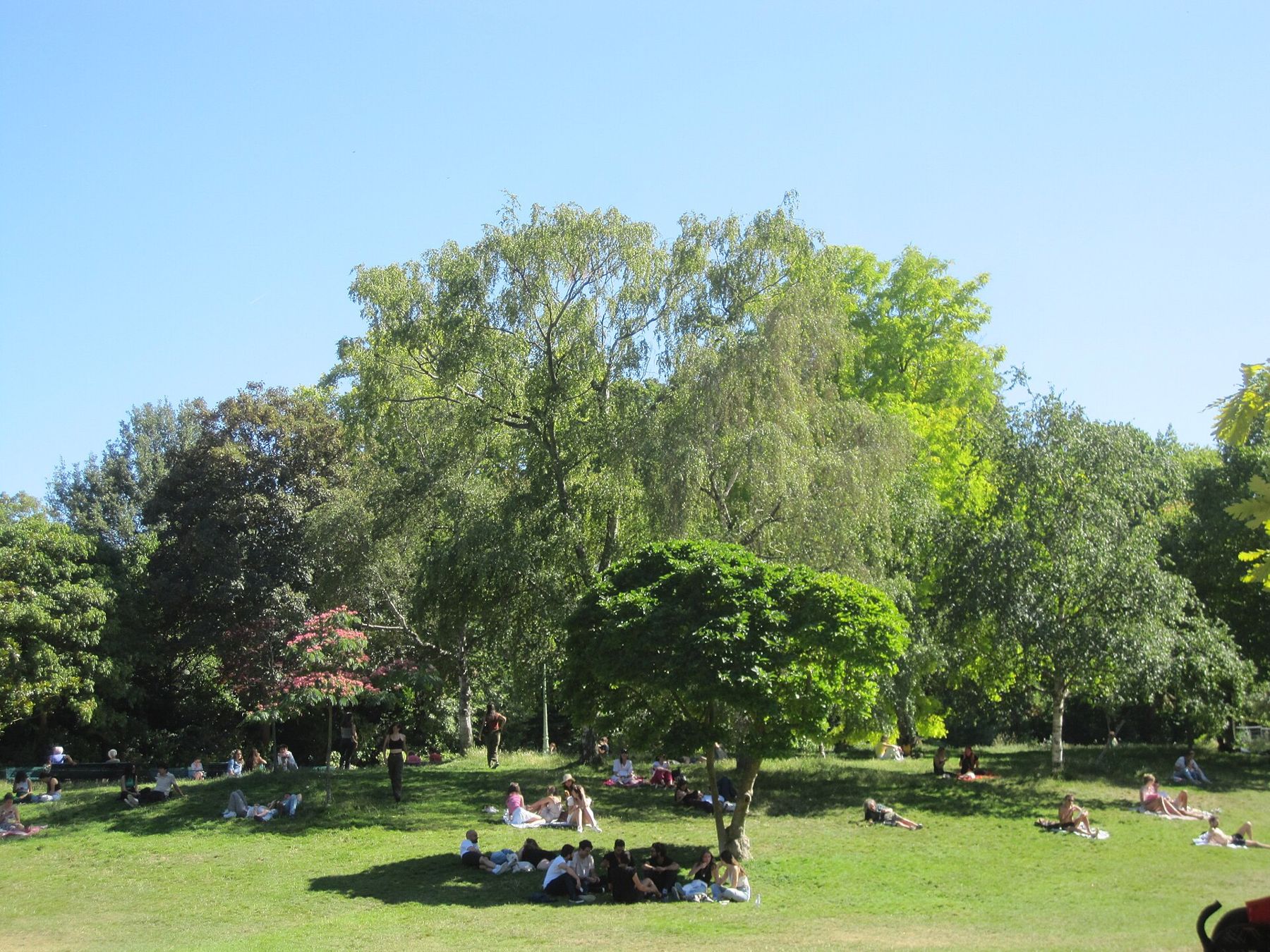
Afterwards, walk into Parc Monceau, which lies directly behind the house. It is an English-style park laid out in the eighteenth century, with winding paths, a colonnade curving round an oval pond, and the round pavilion at its northern entrance built as a toll house for the old city wall. The lawns fill with people on fine afternoons.
The Musée Cernuschi, with its Asian collection, is a short walk away at the edge of the park. If the idea of a collector's home fixed in place appeals, the Wallace Collection in London has some of the same French furniture and porcelain on a larger scale. In Madrid, the Museo Cerralbo is another aristocratic house left to the public with its contents in place, and in the 9th arrondissement the Musée de la Vie romantique shows a much smaller Paris house from an earlier century.